


The quality of a plant’s root system is one of the strongest predictors of transplant success, growth rate and long-term performance. While foliage is the visible measure of plant health, it is the root architecture that determines a plant’s ability to access water, nutrients and oxygen throughout production and after planting.
One of the most common limitations of container production is root circling. In smooth-walled containers, roots naturally follow the inside surface of the pot, continuing to elongate around the perimeter. Over time, this produces a root-bound plant with fewer actively growing feeder roots and a root system that is less efficient following transplanting.
Light root pruning changes this response.
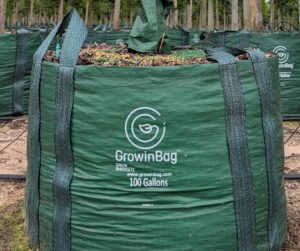
Rather than allowing root tips to continue circling the container, GrowinBag™ is engineered to interrupt root tip extension as roots reach the bag wall. This naturally stimulates the development of lateral branches behind the growing tip, creating a denser network of fine feeder roots instead of a small number of dominant circling roots.
This distinction is significant. Fine feeder roots are responsible for most of the water and nutrient uptake. Increasing their number improves the plant’s absorptive capacity while creating a more balanced, fibrous root system capable of supporting vigorous shoot growth.
For commercial growers, the benefits extend throughout the production cycle. Plants establish more rapidly after transplanting, experience less transplant shock and develop more uniformly across the crop. A well-branched root system also provides greater anchorage in the receiving media and supports continued root activity as the crop matures.
The objective is not simply to grow more roots, but to produce a better root system. GrowinBag™ has been engineered to influence root development throughout container production, encouraging lateral branching and reducing persistent circling roots. The result is improved root architecture that supports successful establishment and ongoing plant performance.
By Rick Pares